November 16, 2026
The battle against common household pests requires vigilance, strategic preparation, and strong collaboration between property owners and professionals. Proper preparation directly enhances the overall effectiveness of treatments, minimizes disruption, and establishes lasting benefits for your household. Being proactive ensures immediate concerns are resolved while reducing the risk of recurring infestations.
Professional pest management involves detailed inspections, targeted chemical or mechanical interventions, and systematic monitoring. According to Consumer Affairs, the U.S. pest control industry has grown by 2.8% in the last five years, reflecting the expanding demand and reliance on specialized professionals to maintain sanitary, pest-free environments. Getting your home ready ensures that every procedure yields maximum results. By following standard preparation protocols across your property, you protect your investment, safeguard your family and pets, and optimize every phase of the treatment process.
Understanding the Professional Treatment Process
During the initial visit, a technician performs an extensive inspection of your property to identify the specific pest species, pinpoint the extent of activity, and map common entry routes. The specialist typically asks about historical sightings, unusual noises, and damaged structural elements. This thorough assessment forms the foundation for a customized management plan tailored directly to the specific vulnerabilities of your residence. Offering comprehensive background information helps the specialist establish an accurate diagnosis and deploy suitable control measures, whether dealing with subterranean termites, German cockroaches, or persistent rodent populations across multiple levels of your home.
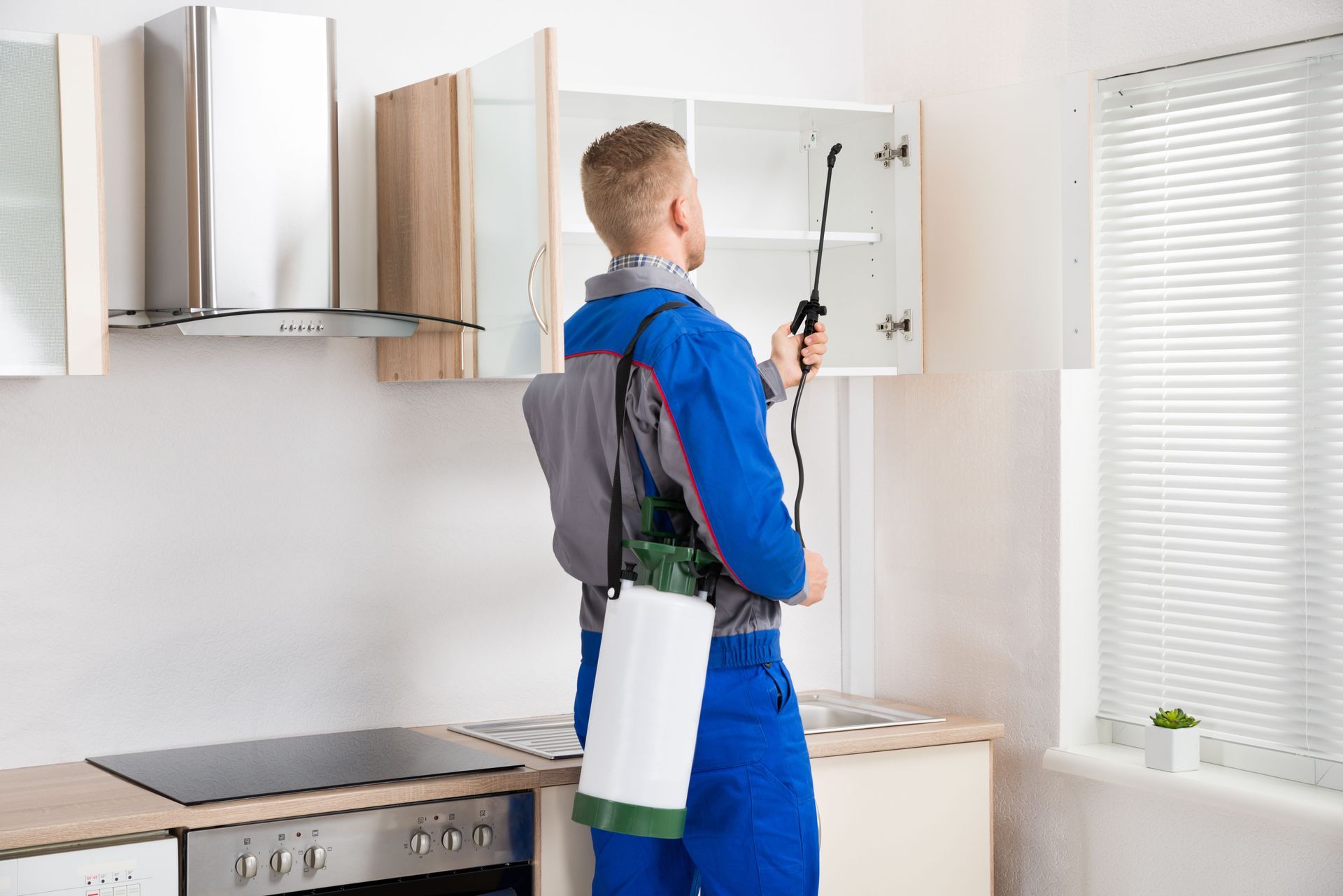
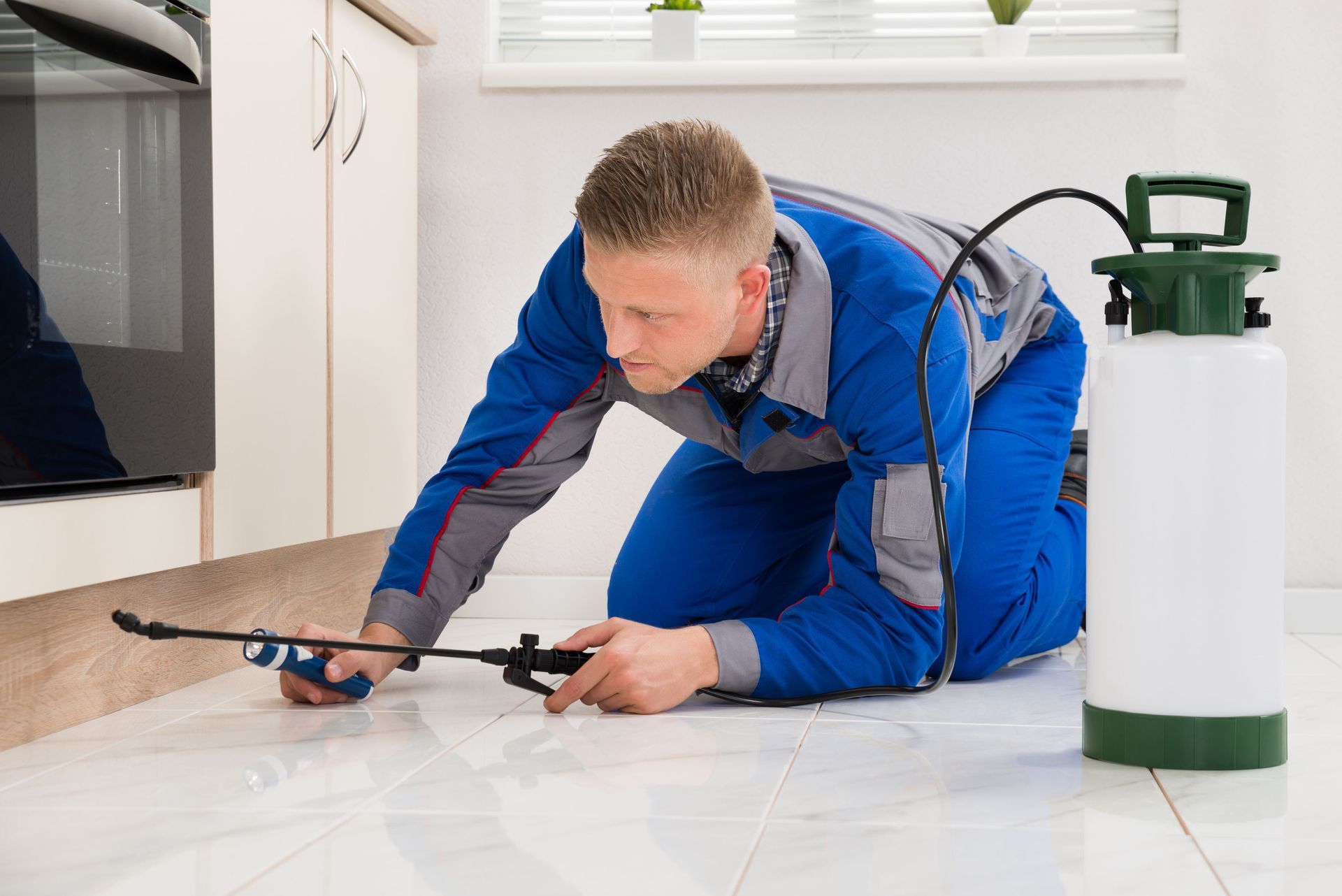
Following the inspection, the technician reviews the chosen intervention strategies, which range from bait stations and physical exclusion to localized liquid barriers and targeted crack-and-crevice treatments. Familiarizing yourself with these methods ensures you can make proper logistical accommodations, such as vacating children, senior family members, and domestic pets if required by product safety labels. Clear communication regarding chemical properties, drying times, active residual life, and exposure limits guarantees that everyone remains safe while avoiding unnecessary disruptions to your daily routine.
Treatment frequency and overall duration depend primarily on pest biology, reproduction cycles, and seasonal shifts. Technicians normally establish a comprehensive schedule that includes scheduled follow-up visits to eradicate newly hatched nymphs, break breeding lifecycles, or re-treat persistent harborage points. Committing to this scheduled timeline maintains chemical barriers and prevents surviving pests from re-establishing colonies throughout your living quarters, attic voids, and crawlspaces.
Identifying Structural Vulnerabilities and Activity
Locating active entry points throughout your home represents a vital preliminary step in pest management. Inspect structural junctions, window seals, doorway thresholds, and wall penetrations where plumbing lines or electrical conduits enter the structure. Even minor hairline gaps provide convenient transit paths for insects and rodents, who often exploit foundation settling cracks or deteriorated weatherstripping around exterior doors. Documenting these vulnerable spaces gives the technician precise targets to evaluate and treat during the service call, saving valuable time on the day of treatment.
Recognizing the subtle signs of infestation allows for early intervention before colonies multiply significantly. Systematically look for droppings in kitchen cabinetry, grease rub marks along baseboards, discarded wings on windowsills, and damaged packaging materials in utility areas and pantries. Promptly noting these indicators helps technicians determine the species and population density accurately, facilitating faster, more concentrated treatment applications that address the root cause of the infestation rather than just visible stragglers.
Focusing on high-risk zones provides significant preventative leverage across your property. Basements, crawlspaces, attics, kitchens, and laundry rooms represent primary focal points due to ambient humidity, warmth, and accessible food waste. Regularly checking around water heaters, under sinks, behind refrigerators, and inside floor drains ensures hidden infestations are uncovered before structural degradation or widespread contamination occurs, making eradication simpler for your pest control company.
Preparing Interior Living Quarters
Before service begins, ensure all primary rooms remain clean, decluttered, and organized. Clutter creates artificial harborage zones that shelter pests and obstruct access to critical baseboards, wall voids, and crevices. Thoroughly vacuuming rugs, wiping down baseboards, sweeping hard surface floors, and clearing closet floors allows insecticides, dusts, or baits to be applied cleanly without leaving untreated pockets where pests can safely retreat and survive application cycles.
Securing open food sources prevents accidental contamination during application and eliminates alternative nutrition for pests. Transfer pantry goods, pet kibble, and dry baking ingredients into airtight glass or heavy plastic containers with rubber gaskets. Empty kitchen trash cans, clean up lingering crumbs or grease spills behind stoves, and store countertop fruits safely inside the refrigerator prior to the appointment so that pests are driven exclusively toward professional baits.
Prepping furniture and perimeter walls enables technicians to access hidden nesting zones effortlessly throughout the house. Move large furniture items, sofas, bookshelves, and storage bins at least two to three feet away from interior walls so baseboards remain completely unobstructed. Cover delicate upholstery, aquariums, pet bedding, or sensitive electronic equipment if aerosolized or mist treatments are scheduled, ensuring personal items remain protected while giving the technician clear line-of-sight access.
Clearing Exterior Grounds and Landscaping
Clearing excess clutter and organic debris from the immediate perimeter of your foundation eliminates primary exterior breeding habitats. Stacks of firewood, piles of decaying leaves, discarded construction materials, and accumulated lawn equipment create damp shelters that harbor rodents, spiders, and carpenter ants. Clearing these materials away from exterior walls gives the pest control company an unobstructed view of the foundation perimeter for detailed inspection and barrier spraying.
Pruning bushes, shrubs, and tree branches away from your siding eliminates aerial pathways into your home. Overhanging foliage functions as a direct highway for ants, squirrels, and roof rats seeking entry into attics, soffits, and roof vents. Maintaining a consistent buffer zone of twelve to eighteen inches between vegetation and exterior masonry substantially reduces perimeter pest pressure and improves air circulation along foundation walls.
Inspecting foundation walls and sealing apparent exterior cracks with high-grade silicone caulk, expandable foam, or copper mesh reinforces physical defenses. Addressing holes around exterior spigots, dryer vents, gas lines, and crawlspace access doors blocks entry routes before perimeter treatments are applied. This physical exclusion work actively complements chemical barriers, producing lasting protection against exterior invasions and keeping newly applied treatments intact.
Communicating Effectively with the Service Team
Clear communication begins with delivering an accurate, detailed account of the infestation to your pest control company. Detail exact locations where activity was observed, unusual noises heard behind walls at night, and any structural materials that show chew marks or moisture damage. Supplying precise, truthful observations allows technicians to select the most potent treatment modalities without wasting valuable time searching incorrect zones or misidentifying pest species.
Asking pertinent questions regarding treatment safety protocols, active ingredients, and necessary re-entry intervals clarifies expectations for your household. Inquire specifically about measures needed to safeguard ornamental plants, aquariums, and household pets during treatment, including necessary ventilation windows. Becoming familiar with these parameters eliminates safety concerns, reduces stress, and allows you to schedule household routines comfortably around the service appointment.
Following the completion of professional treatments, maintain proper ventilation and allow all treated surfaces to dry completely before reoccupying rooms. Avoid scrubbing treated baseboards immediately, as aggressive cleaning can wash away protective residual barriers designed to eliminate emerging pests over time. Diligently monitor treated zones over subsequent weeks, noting that an initial uptick in pest sightings is common as hidden insects are driven out of harborages by active materials. Consistently keeping living areas clean, promptly addressing plumbing leaks, and preserving physical exclusion seals will protect your investment over the long haul. For more information about the services that we offer, reach out to our incredible team at Reed's Pest Control today!